
An empowerment photography session moves through five distinct stages: arrival and welcome, hair and makeup, wardrobe selection, guided shooting, and the same-day reveal. Each stage is designed to carry women from nervous anticipation to genuine presence in front of the camera. The session arc is intentional, not improvised. Every stage serves a specific purpose in building comfort and authentic expression. If you want to understand what the full experience looks like before you book, this walkthrough covers every stage in sequence so nothing is a surprise when you arrive.
Not knowing what to expect is one of the primary reasons women hesitate to book an empowerment photography session. If you want the broader context for why women seek out this kind of experience, the complete guide to what empowerment photography is and why women book a session covers that territory in full. This article focuses entirely on what happens once you walk through the door.
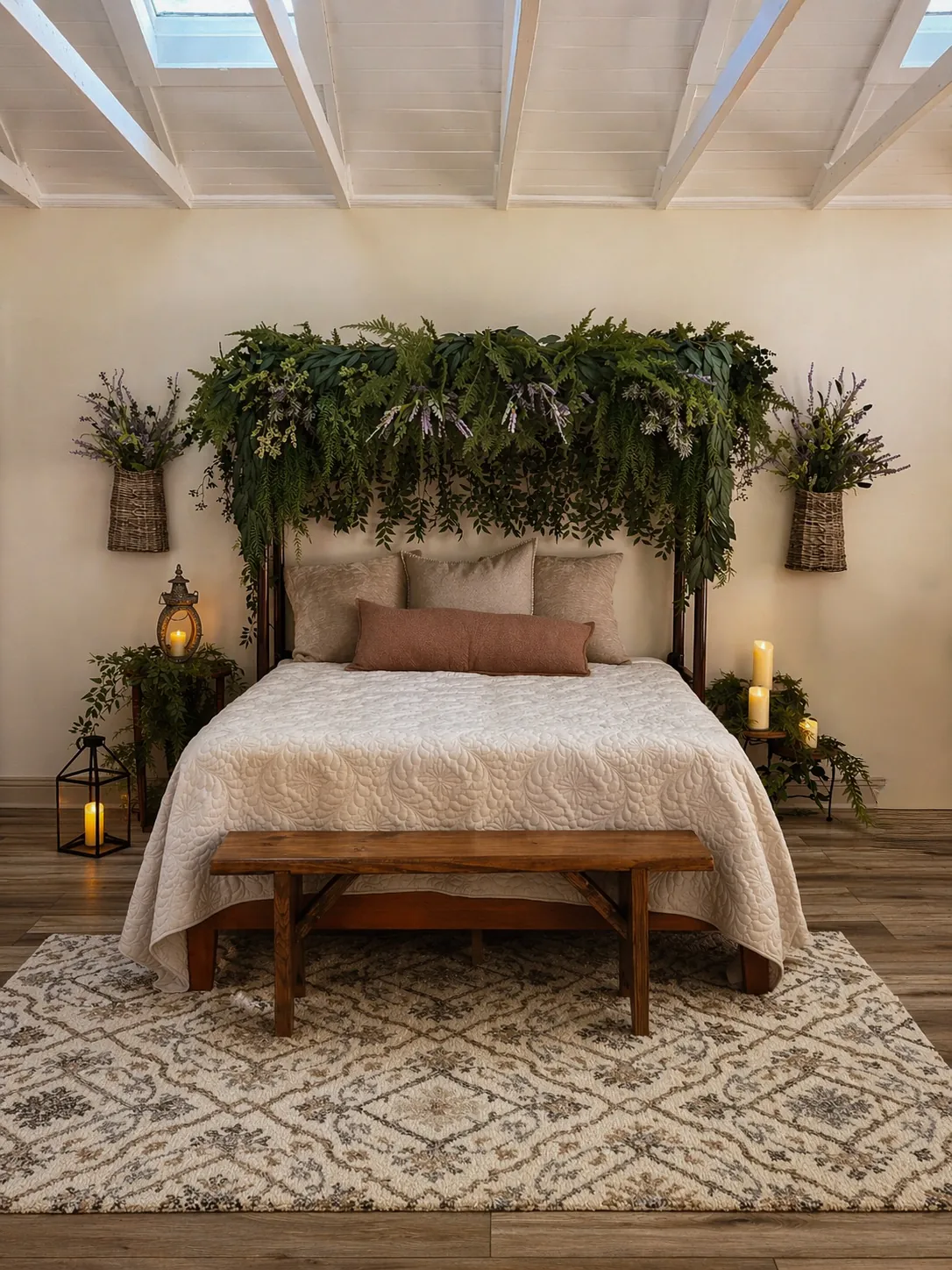
What the First 30 Minutes of an Empowerment Session Actually Look Like
An empowerment photography session moves through five stages: arrival and welcome, where the focus is on connection rather than cameras; hair and makeup, which builds confidence before shooting begins; wardrobe selection, done collaboratively in the studio; guided shooting, where the photographer directs posing and pacing; and the same-day reveal, where unedited images are seen immediately after the session ends.
Arrival, welcome, and why the session does not start with cameras
A women empowerment photoshoot does not begin with a camera in your face. It begins with a conversation. When you arrive, the priority is making you feel at ease in the space, not rushing toward the shoot. You chat. You look around. The photographer reads where you are emotionally and adjusts accordingly.
This matters because nervousness is the expected starting point, not a sign that something has gone wrong. Almost every woman who walks in for the first time is anxious, even women who have been photographed before. Starting with connection rather than cameras gives that nervousness somewhere to go. By the time a camera appears, you have already spent meaningful time in the space and with the person behind the lens.
How the studio environment at Laurel Hollow Studio is set up to reduce anxiety before shooting begins
At Laurel Hollow Studio, the physical space is part of the experience. Clients often describe walking in and immediately feeling like they have stepped into a different world: antique furniture, layered textiles, warm natural light. The environment is designed to feel like a place you would want to spend time, not a clinical backdrop for a photoshoot.
That atmosphere does real work before a single frame is taken. When a space feels warm and personal, your nervous system responds. You stop scanning for threats and start settling in. The studio environment is not decoration. It is the first layer of emotional safety that makes everything else in the session possible.
Hair, Makeup, and Wardrobe — How These Shape the Shooting Experience
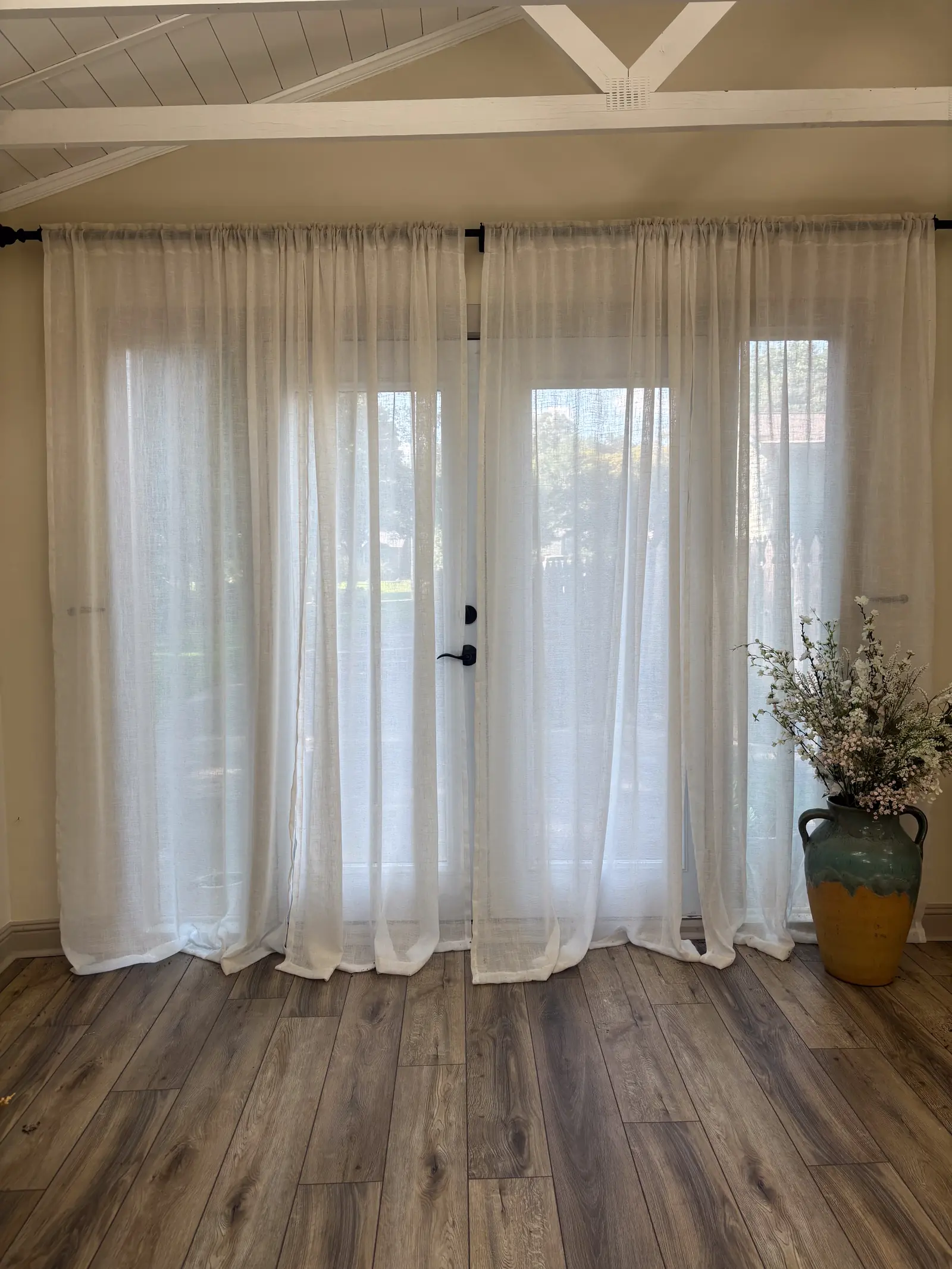
Hair and makeup are not optional extras in most empowerment sessions. They are a structured part of the preparation that helps you feel grounded and confident before you step in front of the camera. If you want to understand how wardrobe planning before your session connects to what happens on the day itself, the first-timer’s guide to preparing for your empowerment photoshoot covers pre-session wardrobe planning and the consultation process in full.
What professional hair and makeup do for a woman’s confidence before she steps in front of the camera
Hair and makeup come before shooting for a practical reason: the process of being styled gives you time to transition. You are not expected to walk in the door already feeling camera-ready. The styling chair is where that shift begins. By the time hair and makeup are done, most women feel noticeably more settled than when they arrived.
Professional styling also removes one layer of self-consciousness. When you know your hair and makeup have been handled by someone who does this every day, you stop worrying about those details and free up mental space for the actual experience. That shift in attention, away from how you look and toward how you feel, is exactly what the session needs to produce authentic expression.
How wardrobe selection during the session differs from choosing outfits at home
Choosing wardrobe at home and choosing wardrobe during the session are two completely different experiences. At home, you are alone with your self-criticism, second-guessing every option against an imagined standard. In the studio, wardrobe is explored collaboratively. The photographer helps you think through what each option communicates and how it connects to the images you want to walk away with.
That collaborative process changes the dynamic entirely. You are not performing for a camera yet. You are talking through clothing with someone who understands how each choice will photograph and what it will feel like to wear it. The result is wardrobe decisions that feel grounded rather than anxious.
What Happens During the Shoot Itself — Guided Posing, Pacing, and Authentic Expression
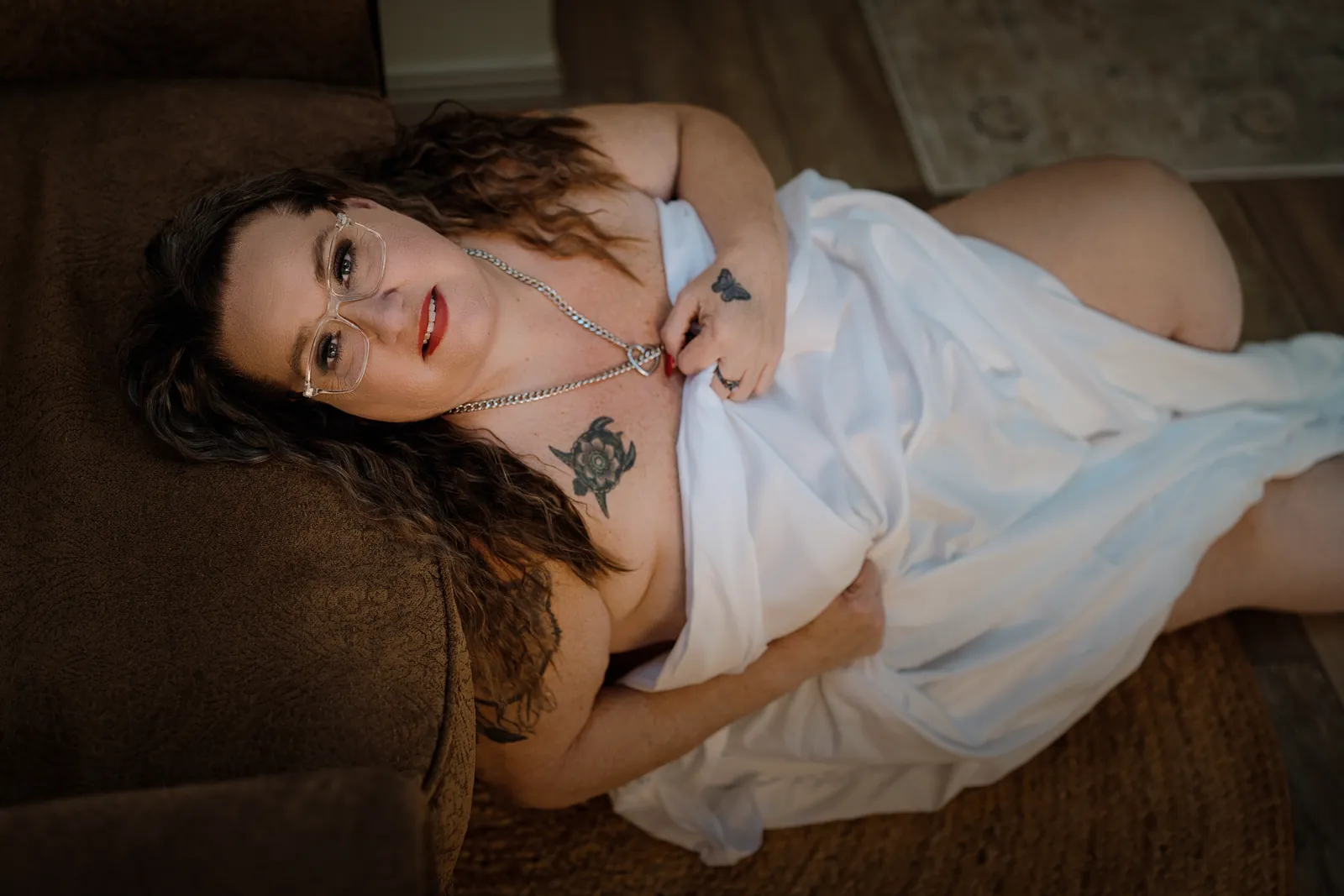
During an empowerment photography session, the photographer guides every pose rather than leaving you to figure out what to do with your body, while deliberate pacing tools, including breaks, breathing exercises, and music, keep you present and grounded so that authentic expression can emerge naturally. This is the operational core of what makes an empowerment session different from a standard portrait experience. You are not expected to already know how to move in front of a camera. You are guided through it.
How guided posing works and why it replaces the pressure of figuring out what to do with your body
One of the biggest fears women bring into a session is not knowing what to do with their bodies. Guided posing removes that fear entirely. Instead of standing in front of a camera trying to remember poses from a Pinterest board, you receive clear, specific direction: where to place your hands, how to angle your shoulders, where to look. The photographer adjusts in real time based on what is working and what will feel more natural.
The goal is not technical perfection. It is authentic expression. Positions that feel natural and look powerful tend to produce the most honest images. Guided posing creates the conditions for that to happen. For creative inspiration around poses and wardrobe concepts to think about before your session, self-love photoshoot ideas covering poses, wardrobe, and session concepts is a useful planning resource.
What pacing and breaks look like in practice, including breathing exercises and the role of music
Session pacing in empowerment photography is not driven by a clock. If nervousness spikes, the session pauses. If you need a break, you take one. This is not a concession. It is built into the structure because emotional safety is what makes authentic expression possible, and emotional safety requires time and permission to reset.
Breathing exercises are a practical tool when anxiety rises mid-session. A slow breath in, a slow breath out, done deliberately, helps you get out of your head and back into your body. Music plays throughout, and it is music you love, not a generic playlist. Familiar music lowers the ambient anxiety level and gives you something to feel rather than something to think about.
The Same-Day Reveal — Seeing Your Unedited Images for the First Time
The same-day reveal is one of the structural differentiators between empowerment photography and most other portrait experiences. If you are curious about how the reveal process compares between empowerment and boudoir sessions, the full comparison between empowerment photography and boudoir photography covers how the session structure and reveal process differ between the two genres.
What the reveal process looks like and why unedited images are shown before any editing
Immediately after the shoot ends, you sit down and see your images. Not next week. Not after editing. Right now, while the experience is still fresh. The images you see are unedited: exactly what the camera captured, exactly what the photographer saw while photographing you.
Showing unedited images first is not a logistical convenience. It is a deliberate choice rooted in body-positive values. An unedited image has not been adjusted to meet an external standard of beauty. It is simply you, seen clearly and with care. When you see yourself that way, unfiltered and before any post-processing, the experience of that image lands differently than a polished final file ever could.
The most common emotional reactions women have and what those reactions mean
The most common reactions to the reveal are disbelief and surprise. “Wait, you didn’t edit these?” “That’s really me?” “I can’t believe that’s me.” Some women laugh. Some get quiet. Some cry. The ones who cry are often the women who have been hardest on themselves, and what moves them is not whether the photograph is conventionally beautiful.
What moves them is the realization that the version of themselves they have been carrying in their own minds may not be the version the rest of the world has been seeing all along. That realization is what body positive boudoir photography and empowerment work are actually building toward. The photograph is the evidence. The moment of seeing it clearly is the shift.
Frequently Asked Questions About What Happens During an Empowerment Photography Session
How long does an empowerment photography session typically last?
Most empowerment photography sessions run between three and five hours, though session length varies by studio and package. The extended time is intentional: it allows for hair and makeup, wardrobe selection, the shoot itself, and the same-day reveal without any stage feeling rushed. Ask your photographer for the specific timing when you book.
Do I need to know how to pose before my session?
No. Guided posing is a core part of the session structure, which means the photographer directs every position. You do not arrive needing to know anything about posing. Clear, specific direction is provided throughout the shoot, and the photographer adjusts in real time based on what looks and feels most natural for you.
What if I get nervous or need to stop during the shoot?
Nervousness is the expected starting point, not a problem to overcome before you arrive. If anxiety spikes during the shoot, the session pauses. Breaks are built into the structure, not treated as interruptions. Breathing exercises, music, and conversation are all tools the photographer uses to help you reset and return to the shoot when you are ready.
Is hair and makeup always included, or is it optional?
This varies by studio and session package. Many empowerment photographers include professional hair and makeup as part of the session structure because the styling process itself helps women transition into the experience before shooting begins. Confirm with your photographer during the consultation whether hair and makeup are included or available as an add-on.
When do I see my photos after an empowerment session?
In most empowerment photography sessions, you see your unedited images the same day, immediately after the shoot ends. This same-day reveal is a core part of the experience. Final edited images are delivered separately, on a timeline that varies by studio. Ask your photographer during the consultation for their specific delivery timeline.
What should I bring with me on the day of my session?
Bring any wardrobe pieces you have planned with your photographer, personal items that feel meaningful to you, and any accessories you want to incorporate. Arrive with a clean, moisturized base if hair and makeup are included. Beyond that, the most important thing to bring is willingness to show up as you are. The session meets you there.
How many outfit changes happen during a typical session?
Most empowerment photography sessions include two to four outfit changes, though this depends on session length and package. Each wardrobe change creates a distinct look and mood within the session. Your photographer will guide you through the pacing of changes so the shoot flows naturally rather than feeling fragmented between looks.
If you are ready to experience what this walkthrough describes, you can book a session at Laurel Hollow Studio to start the conversation about what your session could look like.
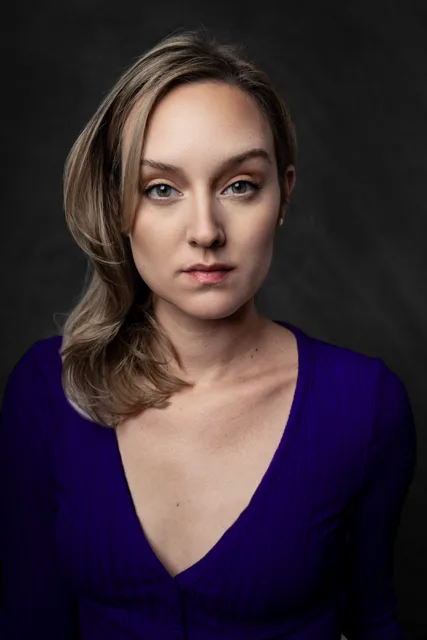
About the author: Emily Humble is the photographer and founder of Laurel Hollow Studio, a private fine-art boudoir and empowerment photography studio near Atlanta, Georgia. She grew up camping in the North Georgia mountains, reading stories like The Secret Garden and imagining hidden places waiting to be discovered. Years later, without quite realizing it, she built one. Laurel Hollow is not a themed set. It is her happy place, an extension of the forests and stories that always made her feel at home, and it is where she photographs women who are brave enough to show up exactly as they are. Book your session at Laurel Hollow Studio.