
Self-love photoshoot ideas for empowerment photography sessions work best when wardrobe, poses, and creative concepts reflect who a woman actually is rather than a generic template. The most powerful sessions connect clothing choices, body language, and session themes to personal narrative, producing images that feel true rather than performed. This guide covers the three practical decisions women face before a session: what to wear, how to pose, and what kind of concept fits their story.
What to Wear to a Self-Love Photoshoot: Wardrobe Directions That Actually Work
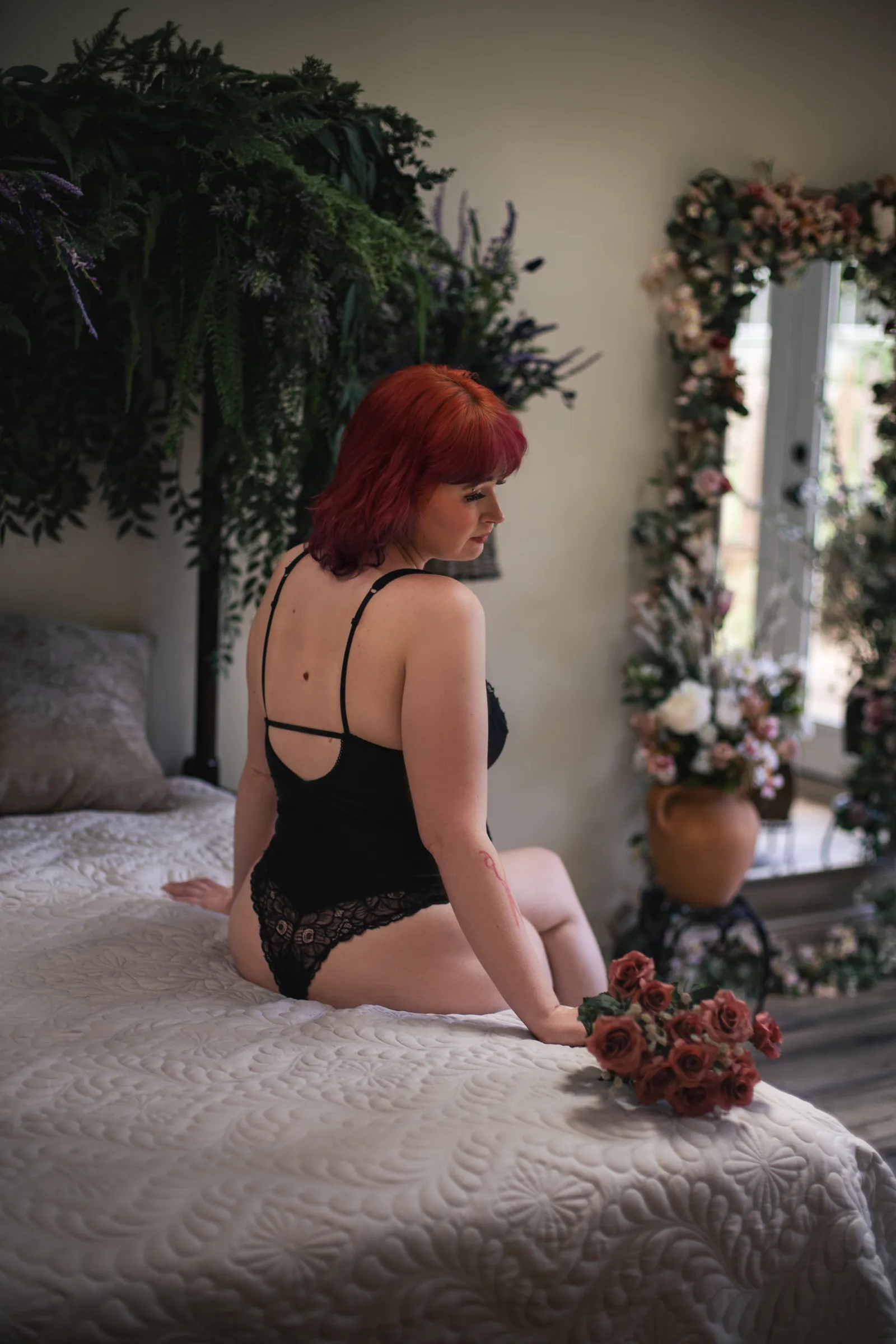
Self-love photoshoot wardrobe selection in empowerment photography means choosing clothing based on how you want to feel, not what you think you are supposed to wear. There is no prescribed aesthetic. Clothing that connects to your personal sense of confidence, whether that is a flowing dress, a favorite team jersey, or intimate wardrobe, produces more authentic images than clothing chosen to meet an external standard.
Wardrobe is one of the most searched and most overthought parts of planning a women empowerment photoshoot. Most women arrive at this decision asking the wrong question. Instead of “what will look good on camera,” the more useful question is “what makes me feel like myself?” Those two questions lead to very different closets.
If you want a starting point for the broader session experience, the empowerment photography guide covers how sessions are structured and what the experience is designed to produce. For a complete checklist of what to think through before your session, the first-timer’s preparation guide for an empowerment session walks through wardrobe planning alongside every other pre-session decision.
How to choose outfits based on how you want to feel, not how you think you should look
Start with emotion, not aesthetics. Ask yourself how you want to feel when you look back at these images in ten years. Powerful? Soft? Free? Playful? Your answer points directly toward your wardrobe. A woman who wants to feel strong and grounded will likely gravitate toward structured pieces, rich textures, or clothing connected to a role she is proud of. A woman who wants to feel light and open might choose something flowing, something she wore during a meaningful trip, or something that simply makes her feel beautiful without trying too hard.
Wardrobe styling works best when it reflects your actual life, not a photoshoot version of it. The goal is clothing that connects the session to your personal story. That connection is what produces images that feel like you rather than images that feel like a photoshoot.
Wardrobe categories and what each communicates in the final images
Different clothing categories create different emotional tones in photographs. Here is how the most common directions tend to read:
- Flowing dresses or skirts: softness, freedom, femininity. Work well in natural light and open spaces.
- Structured or tailored pieces: confidence, authority, intentionality. A strong choice for women marking a professional milestone or life transition.
- Casual or personal clothing: authenticity, ease, intimacy. A favorite sweater, a comfy pajama set, or something with personal history reads as genuinely you.
- Intimate or lingerie wardrobe: vulnerability, body acceptance, self-celebration. Not required, but for women who choose it, the emotional impact is often significant.
Bring two to three outfits. That range gives you variety without turning wardrobe changes into the focus of the session. Choose pieces that span different emotional registers so the images tell more than one chapter of your story.
Self-Love Photoshoot Poses: How Guided Posing Produces Authentic Expression
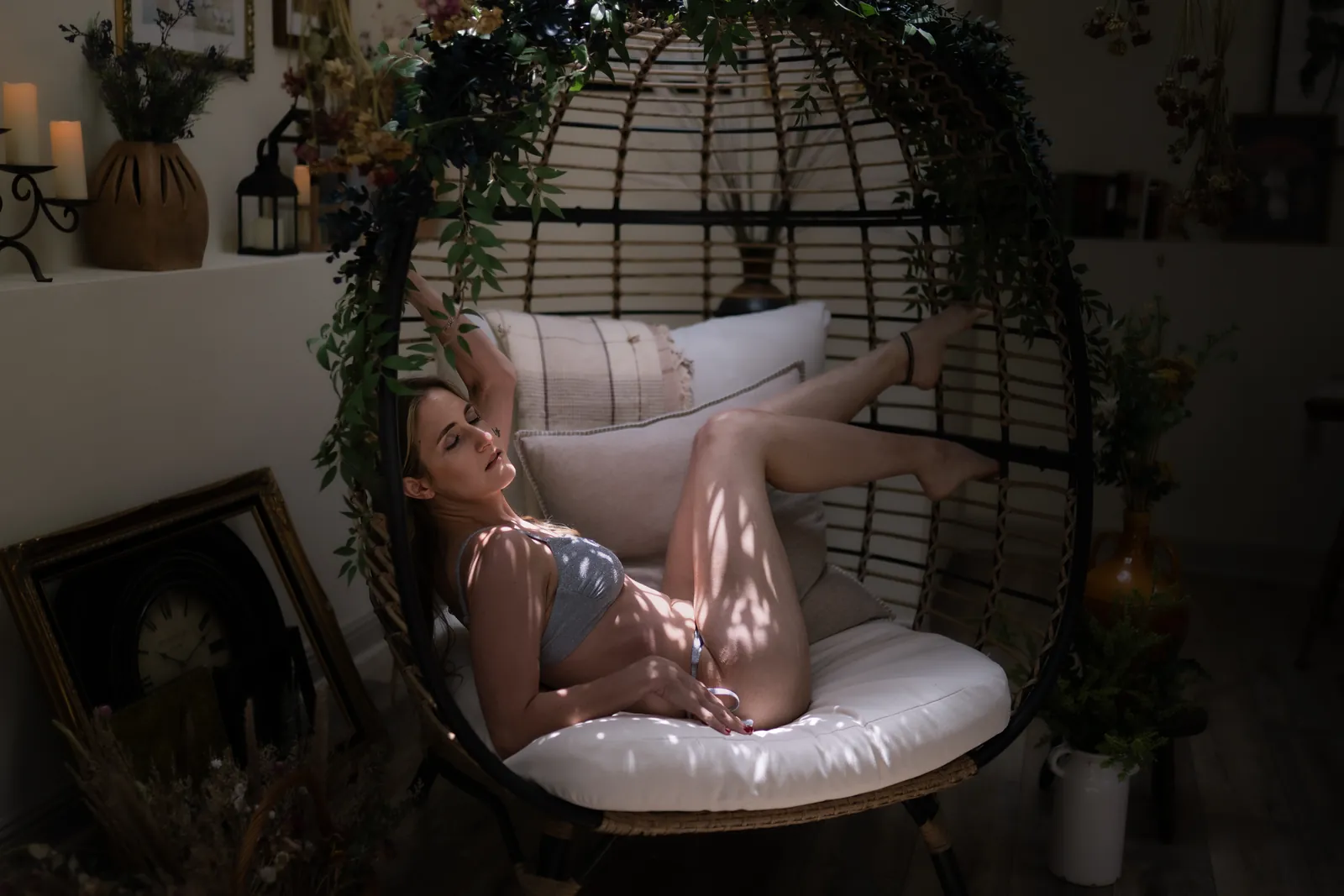
Guided posing is the single most important factor in whether a self-love photoshoot produces images that feel genuine or images that feel stiff. When you do not know what to do with your body in front of a camera, the result is usually tension, not expression. Guided posing removes that uncertainty and replaces it with a collaborative process where the photographer helps you find positions that feel natural and look powerful.
Body positive boudoir photography and empowerment sessions share the same core posing principle: authentic expression comes from getting out of your head and back into your body. You cannot perform your way into a powerful image. You can only relax into one. To understand how guided posing fits into the full arc of a session, the step-by-step walkthrough of what happens during an empowerment photography session covers exactly how posing direction unfolds from start to finish.
Body language principles that translate to confident, natural-looking images
Confidence in photographs reads through open, grounded body language. A few principles that consistently produce strong results:
- Weight and stillness: Positions where your body feels settled and supported tend to photograph as calm and assured. Tension in the shoulders or a held breath reads on camera immediately.
- Open angles: Turning slightly toward the light and opening the chest creates presence. Closing in or hunching forward communicates discomfort, even when that is not the intention.
- Direct or intentional gaze: Eye contact with the lens communicates self-possession. Looking slightly away, toward something real in the space, creates introspection. Both work. Unfocused or searching eyes do not.
These are not rules you need to memorize. A good empowerment photographer will guide you into these positions through conversation and small adjustments, not commands. You will not be told to “look confident.” You will be guided into a position where confidence becomes the natural result.
What to do with your hands, your gaze, and your posture when you do not know where to start
Hands are the part of the body women most often ask about, and for good reason. Hands that have nothing to do look awkward in photographs. The solution is simple: give them something. Rest one hand lightly against your collarbone. Hold a meaningful object. Let your fingers trail along a fabric or surface in the space. Interact with your hair or clothing in a way that feels natural rather than posed.
Posture does not mean rigid. It means length through the spine and ease in the shoulders. Think about standing tall without bracing. That distinction, tall versus braced, is what separates images that read as powerful from images that read as effortful. When in doubt, take a slow breath, let your shoulders drop, and let the photographer do the directing. That is exactly what guided posing is for.
Session Concepts and Creative Directions for a Self-Love Photoshoot
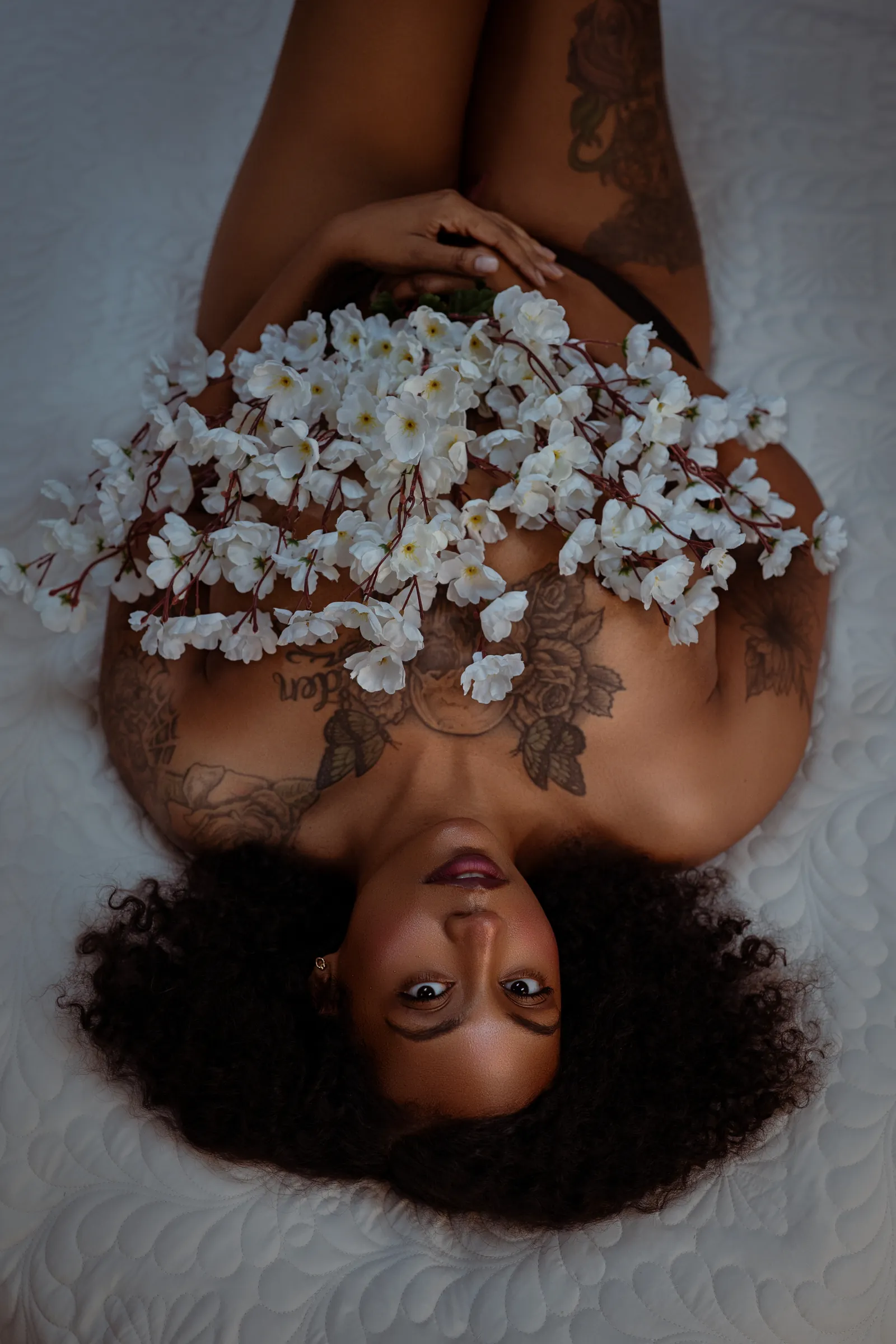
A session concept is not a costume or a theme. It is a way of anchoring your session to something that already means something to you, so the images feel like a genuine record of who you are rather than a set of attractive photographs of someone performing for a camera. Empowerment photography ideas work best when they come from your actual life, not from a mood board you found online.
If you are trying to understand how empowerment sessions differ from boudoir sessions in terms of creative direction and intent, the full comparison between empowerment photography and boudoir photography covers how the two genres approach concept, wardrobe, and purpose differently.
Drawing from personal narrative: objects, settings, and stories that make a session feel like yours
The most memorable sessions are built around something specific to the woman in them. That specificity is what makes the images feel irreplaceable rather than interchangeable. A few directions worth considering:
- Objects with personal history: A grandmother’s jewelry. A well-loved book. An instrument. Something that represents a chapter of your life you want to honor.
- Settings that carry meaning: A space that feels like home, or like the version of home you always imagined. The emotional resonance of a setting does real work in photographs.
- Milestones and transitions: Women often book sessions to mark a specific moment, a birthday, a career change, the end of a hard season. Naming that moment gives the session a through-line that shows in the final images.
You do not need a fully formed concept before your session. Bringing one meaningful object or naming one feeling you want to carry out of the experience is enough to give a photographer something to work with.
Mood and atmosphere choices that shape the emotional tone of your images
Mood is a creative decision, not a byproduct. The atmosphere you choose, warm and soft, dramatic and shadowed, light-filled and open, shapes how the images feel to look at years from now. Think about the emotional register you want. Tender and introspective reads differently than bold and direct. Neither is better. Both are valid. The question is which one tells your story.
Lighting direction, wardrobe texture, and setting all contribute to mood. A flowing dress in warm natural light creates a different emotional tone than a structured jacket against a dark background. When you think about the session concept you want, think about the feeling first. The visual choices follow naturally from there.
If you are ready to explore what a session looks like in practice, you can review session details and reach out to start the conversation. There is no pressure and no obligation. It is simply a starting point for figuring out whether this experience is right for you.
Frequently Asked Questions About Self-Love Photoshoot Ideas
What should I wear to a self-love photoshoot if I do not know where to start?
Start with how you want to feel, not how you want to look. Choose one outfit that makes you feel most like yourself, one that feels a little more elevated or expressive, and one that connects to something personal. Bring those three options and decide on the day. There is no wrong answer as long as the clothing connects to your own sense of confidence rather than a prescribed aesthetic.
How many outfits should I bring to an empowerment session?
Two to three outfits is the right range for most sessions. That number gives you variety across different emotional registers without making wardrobe changes the focus of the experience. More than three tends to fragment the session. Choose pieces that feel different from each other, in texture, tone, or formality, so the images tell more than one side of your story.
What if I do not know how to pose in front of a camera?
You do not need to know. Guided posing means the photographer directs you through positions that feel natural and photograph as confident. Almost every woman who walks into an empowerment session feels uncertain about posing at the start. That uncertainty is the expected starting point, not a problem. By the middle of the session, most women are surprised by how natural it feels.
Do I need a specific theme or concept for my session?
No. A concept helps, but it does not need to be fully formed before you arrive. Naming one feeling you want to carry out of the experience, or bringing one object that means something to you, is enough to give the session a direction. Your photographer will help shape that into a creative approach. You do not need to arrive with a complete vision.
Can I bring meaningful objects or personal items to my session?
Yes, and it often makes a significant difference. A meaningful object gives your hands something to do, grounds the session in your actual life, and produces images that feel specific to you rather than generic. A well-loved book, a piece of inherited jewelry, or something connected to a milestone you are marking are all strong choices. Let your photographer know in advance so they can plan around it.
What is the difference between posing for a self-love photoshoot and posing for a standard portrait session?
Standard portrait posing tends to prioritize technical results: angles, symmetry, and visual flattery. Posing for an empowerment session prioritizes authentic expression and emotional ease. The photographer guides you toward positions where you feel grounded and present, not positions designed to minimize or correct. The goal is images that feel true, not images that feel optimized.
How do I know if my wardrobe choices are right for an empowerment session?
If the clothing makes you feel like yourself and connects to how you want to feel in the images, it is right. If you chose it because you thought you were supposed to wear it, or because it hides something you are self-conscious about, reconsider. Empowerment sessions are not about presenting a corrected version of yourself. They are about showing up as you actually are, in clothing that reflects that honestly.
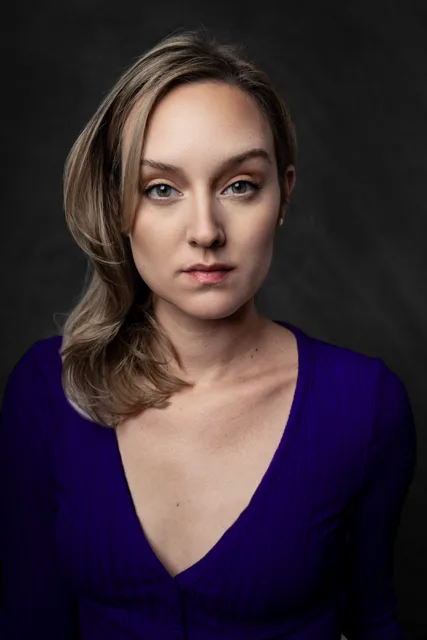
About the author: Emily Humble is the photographer and founder of Laurel Hollow Studio, a private fine-art boudoir and empowerment photography studio near Atlanta, Georgia. She grew up camping in the North Georgia mountains, reading stories like The Secret Garden and imagining hidden places waiting to be discovered. Years later, without quite realizing it, she built one. Laurel Hollow is not a themed set. It is her happy place, an extension of the forests and stories that always made her feel at home, and it is where she photographs women who are brave enough to show up exactly as they are. Book your session at Laurel Hollow Studio.