Empowerment photography and boudoir photography are closely related genres that share significant overlap in aesthetics and audience, but they differ in a fundamental way: empowerment photography centers the woman’s own internal experience, while boudoir photography has historically been framed around producing images for an external viewer. For women trying to decide which type of session fits their goals, understanding that distinction, and where it breaks down in contemporary practice, makes the choice considerably clearer. This article explains both genres, where they converge, and what actually separates them. For a broader look at what empowerment photography is and why women book a session, the pillar article covers that territory in full.
How Empowerment Photography and Boudoir Photography Are Defined
Boudoir photography is intimate, sensual portraiture traditionally framed around producing images for a partner or external viewer. Empowerment photography is a portrait experience designed to center the subject’s own internal experience, with the goal of producing a lasting shift in self-perception. The key difference is intent: empowerment photography is made for the woman in the frame, not for an audience outside it.
What boudoir photography traditionally means and how it has evolved
Boudoir photography takes its name from the French word for a woman’s private dressing room or bedroom. As a genre, it developed around intimate portraiture, often sensual in nature, and was historically associated with bridal photography and images gifted to a romantic partner. The subject was beautiful, the images were private, and the assumed audience was someone other than the woman herself.
That framing has shifted considerably. Contemporary boudoir photography has moved toward body positivity and self-celebration, with many photographers explicitly rejecting the idea that the session exists to please anyone outside the frame. Body positive boudoir photography now positions the experience as a way for women to embrace their bodies as they are, regardless of size, age, or conventional beauty standards. The genre has expanded its definition, and in doing so, it has moved closer to the territory that empowerment photography occupies.
What empowerment photography means and what makes it distinct as a genre
Empowerment photography is a portrait experience built around the subject’s internal experience rather than the production of aesthetically pleasing images for someone else. The session is guided, emotionally supportive, and paced to help a woman stop performing and simply exist in front of the camera. The photographs record that experience. The experience itself is what produces the shift.
What makes empowerment photography distinct is not wardrobe level or visual style. A session might involve lingerie, or it might involve a cozy sweater and a favorite book. The determining factor is whose needs the session is designed to serve. When the session is structured around the woman’s internal experience and her lasting sense of self, rather than the production of images for an external viewer, that is empowerment photography.
Where Empowerment Photography and Boudoir Photography Overlap
The overlap between these two genres is real and significant. Understanding where they share territory helps clarify why the terms are so often used interchangeably, and why that confusion is not entirely wrong. For creative session ideas that work across both genres, self-love photoshoot ideas for poses, wardrobe, and session concepts covers that ground in detail.
Shared elements: intimate portraiture, body positivity, and the self-celebration framing
Both genres work in the space of intimate portraiture. Both have moved toward body-positive values that explicitly reject the idea that a woman needs to meet a particular standard before she deserves to be photographed. Both use self-celebration as a framing device, positioning the session as a gift a woman gives herself rather than something she does for someone else.
Wardrobe choices, session environments, and the general aesthetic of the two genres can be nearly identical. A woman who books a boudoir session and a woman who books an empowerment session might end up in similar clothing, in a similar space, guided through similar poses. The surface-level experience can look the same from the outside.
Why many contemporary boudoir sessions function as empowerment experiences
The evolution of boudoir photography toward body positivity and self-celebration means that many contemporary boudoir sessions are, in practice, empowerment experiences. When a boudoir photographer structures the session around the client’s comfort, paces the experience to build emotional safety, and frames the images as something the woman is doing for herself, the distinction between the two genres narrows considerably.
The label matters less than the intent behind it. A boudoir session that centers the woman’s experience, that slows down when she is nervous, that reveals images as a reflection of how she actually looks rather than how she thinks she looks, functions as an empowerment session regardless of what it is called. Many photographers use the terms interchangeably for exactly this reason.
The Key Differences Between Empowerment Photography and Boudoir Photography
The clearest way to separate the two genres is this: empowerment photography is explicitly designed to produce a shift in how a woman sees herself, while boudoir photography, in its traditional form, is designed to produce beautiful images. When session intent is the organizing principle, the differences become concrete rather than theoretical.
The primary distinction between empowerment photography and boudoir photography is session intent. Empowerment photography is built to serve the woman being photographed, centering her internal experience and lasting self-perception, while boudoir photography has traditionally been structured around producing images for an external viewer, even as the genre has evolved toward more self-centered framing.
Intent and audience: who the session is designed to serve
Session intent is the clearest differentiator. Empowerment photography is explicitly structured around the woman’s own experience. The session exists to help her see herself differently, not to produce images she can give to someone else. The emotional arc of the session, the pacing, the guided breathing, the same-day reveal of unedited images, all of it is in service of that internal shift.
Traditional boudoir photography assumed an external audience. The images were meant to be beautiful and sensual in a way that would appeal to a partner or viewer outside the frame. Even as contemporary boudoir has moved toward self-celebration, the genre’s roots in external-audience framing still shape how some photographers structure their sessions. When you are evaluating a photographer, the question worth asking is not what they call their work, but who they say the session is for.
Wardrobe, retouching philosophy, and session structure as differentiating factors
Wardrobe is the least reliable differentiator between the two genres. Both empowerment and boudoir sessions can involve lingerie, casual clothing, or anything in between. What matters is whether the wardrobe choice is driven by what makes the woman feel powerful or by what will produce a particular aesthetic result for an outside viewer.
Retouching philosophy is a more meaningful signal. Empowerment-focused sessions typically follow a retouching approach that preserves a woman’s body as it actually is, refusing to alter shape, skin texture, or defining physical features. The goal is to show her the truth of how she looks, not a polished version of it. A same-day reveal of unedited images, common in empowerment photography, reinforces this: the woman sees herself before any editing has touched the images, which is where the most significant self-perception shifts tend to happen. Session structure also differs in emphasis. Empowerment sessions treat emotional safety and pacing as core mechanisms, not optional additions to the experience.
How to Decide Which Type of Session Is Right for You
Choosing between a women empowerment photoshoot and a boudoir session comes down to one honest question: what do you want to walk away with? If the answer is beautiful images to share or gift, boudoir is a natural fit. If the answer is a shift in how you see yourself, you want a session structured around your internal experience, regardless of what the photographer calls it.
Questions to ask yourself before choosing between the two genres
Start with your motivation. Are you booking this session for yourself, or is there an external purpose behind it? There is nothing wrong with either answer, but being clear about it helps you find the right photographer and the right session structure.
Ask yourself whether you care more about the images or the experience. If the photographs are the primary goal, a boudoir session focused on producing beautiful results may serve you well. If you are drawn to the idea of being seen clearly and leaving with a different sense of yourself, look for a photographer who structures the session around that outcome explicitly. Also consider your comfort level with emotional vulnerability. Empowerment sessions are built around that vulnerability. If you want a session that stays closer to the surface, a more traditional boudoir approach may feel less exposing.
What to look for in a photographer regardless of which genre you choose
The photographer-client relationship is the most important factor in either genre. Look for a photographer who communicates clearly about their session structure, retouching philosophy, and how they support clients who are nervous or have body image concerns. A pre-session consultation is a strong signal that the photographer takes the experiential side of the work seriously.
Ask direct questions: Will my body shape be altered in editing? Do you offer a same-day reveal? How do you pace the session if I am nervous? A photographer committed to genuine empowerment work will answer these questions without hesitation. Once you have decided which direction feels right, how to prepare for your first empowerment photography session covers what to expect before you arrive, and what to expect during an empowerment photography session walks through the full arc from arrival through reveal.
If you are ready to explore what a women-centered, unhurried session looks like in practice, you can learn more about booking a session and get answers to any questions before you commit.
Frequently Asked Questions About Empowerment Photography vs. Boudoir Photography
Is empowerment photography the same as boudoir photography?
Empowerment photography and boudoir photography are not the same, though they overlap significantly. Boudoir photography traditionally centers intimate, sensual imagery often produced for an external viewer. Empowerment photography centers the woman’s own internal experience and self-perception. Many contemporary boudoir sessions function as empowerment experiences, but the intent behind the session is what separates them.
Can a boudoir session also be an empowering experience?
Yes. Many contemporary boudoir sessions are structured around the client’s experience rather than an external audience, which makes them genuinely empowering. When a boudoir photographer prioritizes emotional safety, body-positive values, and a session pace that serves the woman being photographed, the distinction between boudoir and empowerment photography narrows considerably. The label matters less than the intent.
Do you have to wear lingerie for an empowerment photography session?
No. Wardrobe in an empowerment session is driven by what makes you feel most like yourself, not by a prescribed aesthetic. A flowing dress, a favorite team jersey, a cozy sweater, or intimate wardrobe are all equally valid. The goal is clothing that connects the session to your own sense of confidence and personal power, not clothing that conforms to a particular visual style.
What is the main difference between empowerment photography and boudoir photography?
The main difference is intent. Empowerment photography is designed to center the woman’s internal experience and produce a lasting shift in self-perception. Boudoir photography, in its traditional form, is designed to produce beautiful, often sensual images, historically framed for an external viewer. As boudoir has evolved toward self-celebration, the two genres have converged, but session intent remains the clearest dividing line.
Which type of session is better for someone who has never been photographed before?
Either can work well for a first-timer, but an empowerment-focused session is specifically structured to support women who are nervous or unfamiliar with being in front of a camera. The pacing, guided posing, and emotional safety built into the session structure are designed precisely for that starting point. If seeing yourself clearly and leaving with a shift in self-perception is your goal, an empowerment session is the stronger fit.
Does empowerment photography always involve intimate or sensual imagery?
No. Empowerment photography spans a wide range of wardrobe and visual styles. What defines the genre is the session’s intent and structure, not the clothing level or aesthetic. A session can be entirely non-intimate and still be a genuine empowerment experience if it is built around the woman’s internal experience and her lasting sense of herself.
How do I know if a photographer offers true empowerment-focused sessions or just rebranded boudoir?
Ask direct questions during the consultation. A photographer genuinely committed to empowerment work will be clear about their retouching philosophy, whether they offer same-day unedited reveals, and how they support clients emotionally throughout the session. Vague answers about “making you look your best” without specifics, or a portfolio showing only one narrow body type, are worth pressing on before you book.
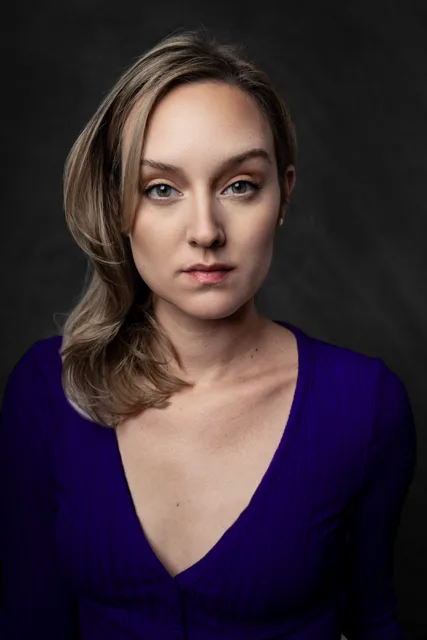
About the author: Emily Humble is the photographer and founder of Laurel Hollow Studio, a private fine-art boudoir and empowerment photography studio near Atlanta, Georgia. She grew up camping in the North Georgia mountains, reading stories like The Secret Garden and imagining hidden places waiting to be discovered. Years later, without quite realizing it, she built one. Laurel Hollow is not a themed set. It is her happy place, an extension of the forests and stories that always made her feel at home, and it is where she photographs women who are brave enough to show up exactly as they are. Book your session at Laurel Hollow Studio.